March 21, 2026 | Updated May 11, 2026
What Women Build Changes Generations
A visit to Holy Cross School in India became a reminder that education is foundational infrastructure, and women-led institutions create generational impact.
Some institutions grow quietly. They may not make headlines every day, but they change families, communities, and generations through steady work.
Years ago, I had the opportunity to help start a small KG school in India. It began with a simple belief: children deserve access to education that can open doors for their future.
At the time, it was a small beginning. A few people, a focused mission, and a lot of hope. When you are close to something in its early days, you do not always know how far it will go. You just do the work in front of you and trust that it matters.
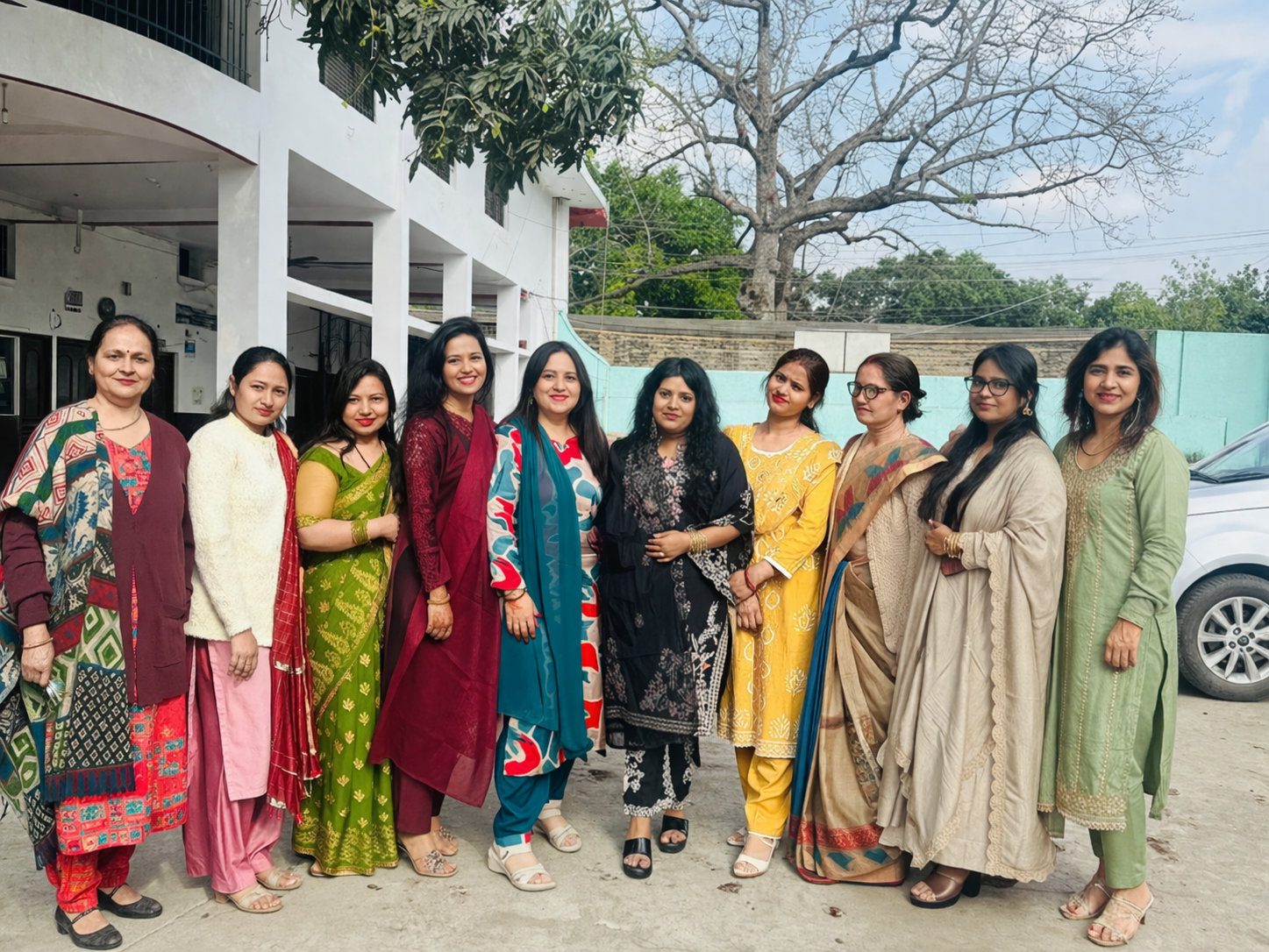
Today, Holy Cross School has grown into a full K-12 institution, run entirely by women.
Last month, I visited and spent time with the team to understand how the school operates day to day and how it has evolved. What stood out to me was not just the growth. It was the consistency.
There was a rhythm to how the school functioned. Classrooms were organized. The administration was steady. Teachers knew their students deeply. The team understood not only what needed to be done, but why it mattered.
Women were leading the classrooms, the administration, the operations, and the culture. There was a strong sense of ownership across the team, deep trust within the community, and a clear focus on long-term outcomes rather than short-term wins.
That is what stayed with me.
So much of leadership is measured through visible milestones: expansion, scale, funding, recognition, titles, numbers. Those things matter, but they do not always tell the full story. Some of the most meaningful work happens quietly. It happens through consistency, discipline, care, and the ability to keep showing up.
Education is often described as a social initiative. I think it is much more than that. Education is foundational infrastructure for any society.
It shapes confidence. It shapes opportunity. It shapes how children see themselves and what they believe is possible. It affects families, communities, and local economies. When a school becomes stable and trusted, it becomes part of the social fabric around it.
And when women lead these systems, the impact compounds.
I saw leadership that was practical, steady, and deeply committed. It showed up in how children were supported, how families were engaged, how teachers collaborated, and how standards were maintained even when resources were limited.
This is not abstract empowerment. It is operational empowerment.
It is women building institutions, creating jobs, shaping learning environments, and influencing the next generation. It is leadership that may not always make headlines, but it changes lives over time.
Visiting Holy Cross reminded me that real impact does not always arrive loudly. Sometimes it looks like a classroom running well. A teacher who knows every child. An administrator who keeps the system moving. A team of women who take ownership because they know the work matters.
Real empowerment does not always show up in big moments. Often, it looks like this: quiet, consistent, and deeply impactful.
I am grateful to have witnessed it firsthand.
This kind of leadership also connects to how I think about execution with empathy. The most durable systems are often built by people who combine ownership, discipline, and care.